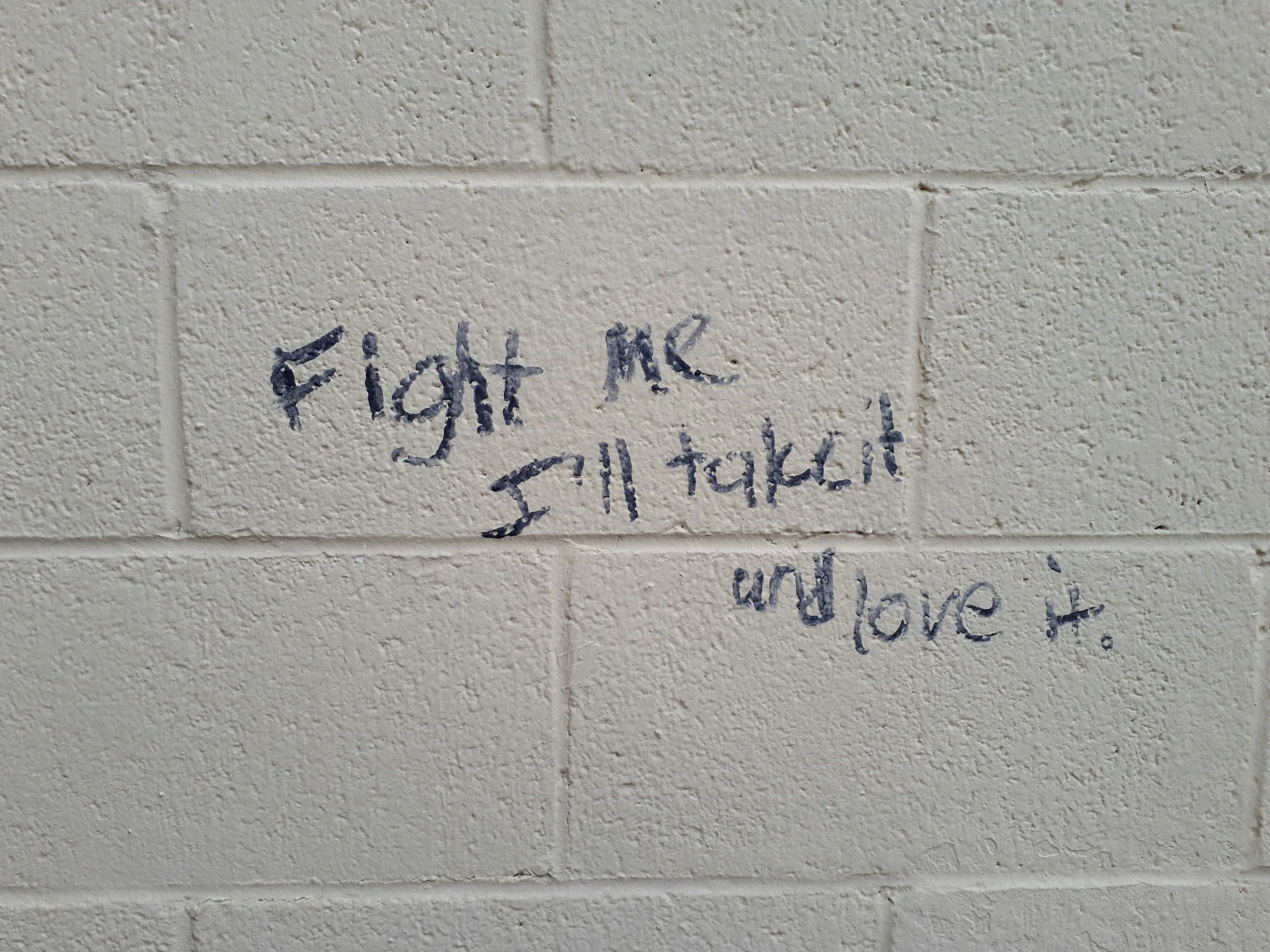
Enemies to Lovers vs. Slow Burn: What's the Difference (And Which One Do You Actually Want)?
Two of the most searched terms in romance, and readers use them almost interchangeably. They shouldn't.
If you've ever picked up a book tagged "enemies to lovers" expecting a slow burn and gotten whiplash instead, or grabbed a "slow burn" and wondered where the fighting went, you're not alone. These two get lumped together constantly, but they're built on different engines. Knowing the difference will save you from a lot of mismatched TBR picks.
What Is Slow Burn Romance? A Reader's Guide
You've seen the term everywhere. BookTok won't shut up about it. Your Goodreads friends tag half their shelves with it. Someone in a Facebook group asked for recommendations and forty people replied with the same three words: "slow burn romance."
But what does it actually mean? And why does it seem to inspire more devotion than almost any other trope in the genre?

Welcome to Waverly Cove
Hi. I'm Angelica Eling, and if you're reading this, you've somehow found the blog before I've written more than one post on it. Bold move. I respect it.
I write stories about the Westfield family, a big, messy, loving clan in a fictional coastal Maine town called Waverly Cove. If you like your romance slow, your small towns nosy in a good way, and your happy endings earned instead of handed over, you're in the right place.