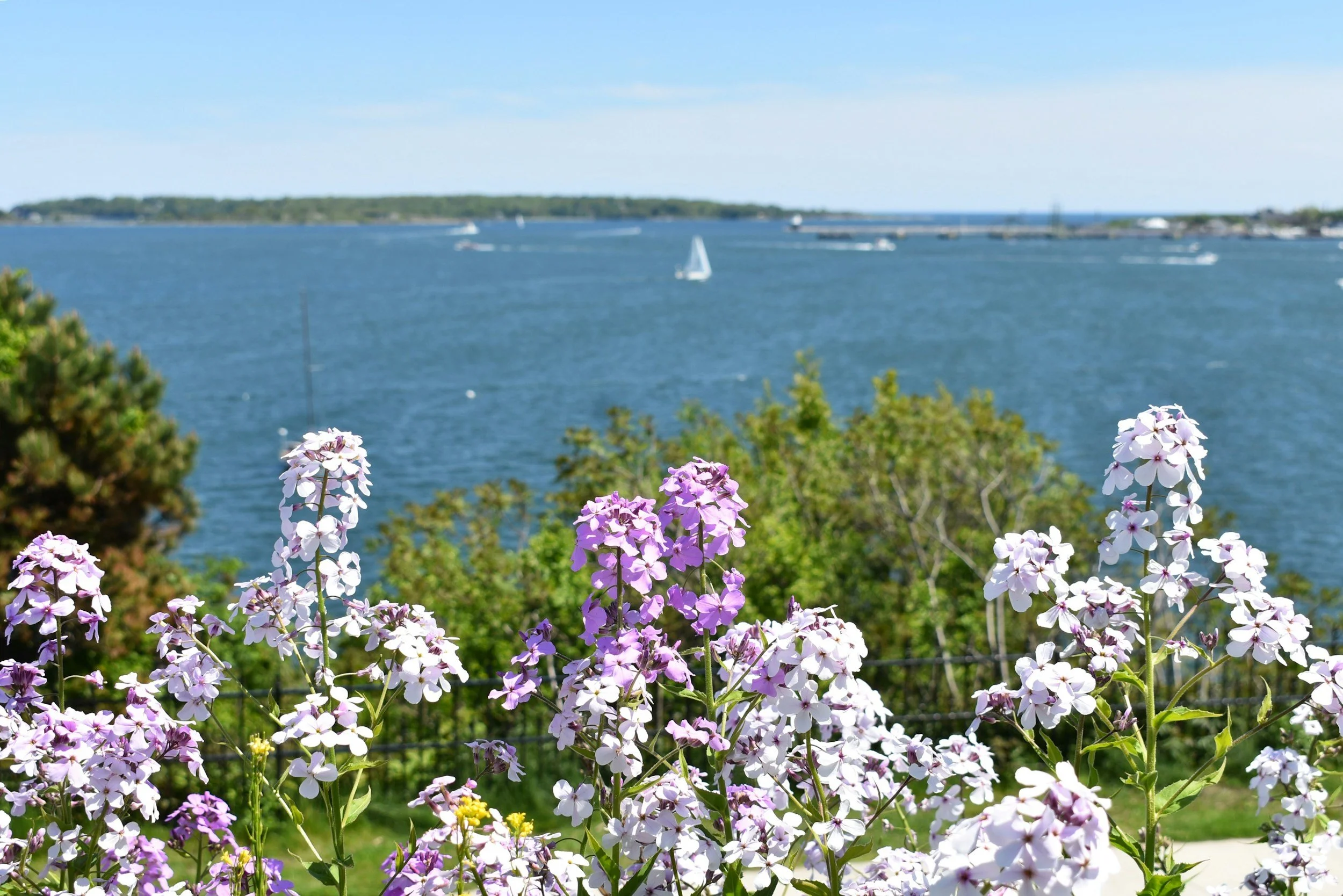
What Makes a Small-Town Setting Feel Real? Representing Coastal Maine in Fiction
Waverly Cove isn't a real place. There's no exit off I-95 for it, no dot on a Maine map. But if I've done my job right, it should feel like there could be.
So what makes a fictional small town feel like an actual place instead of something arranged behind the romance?
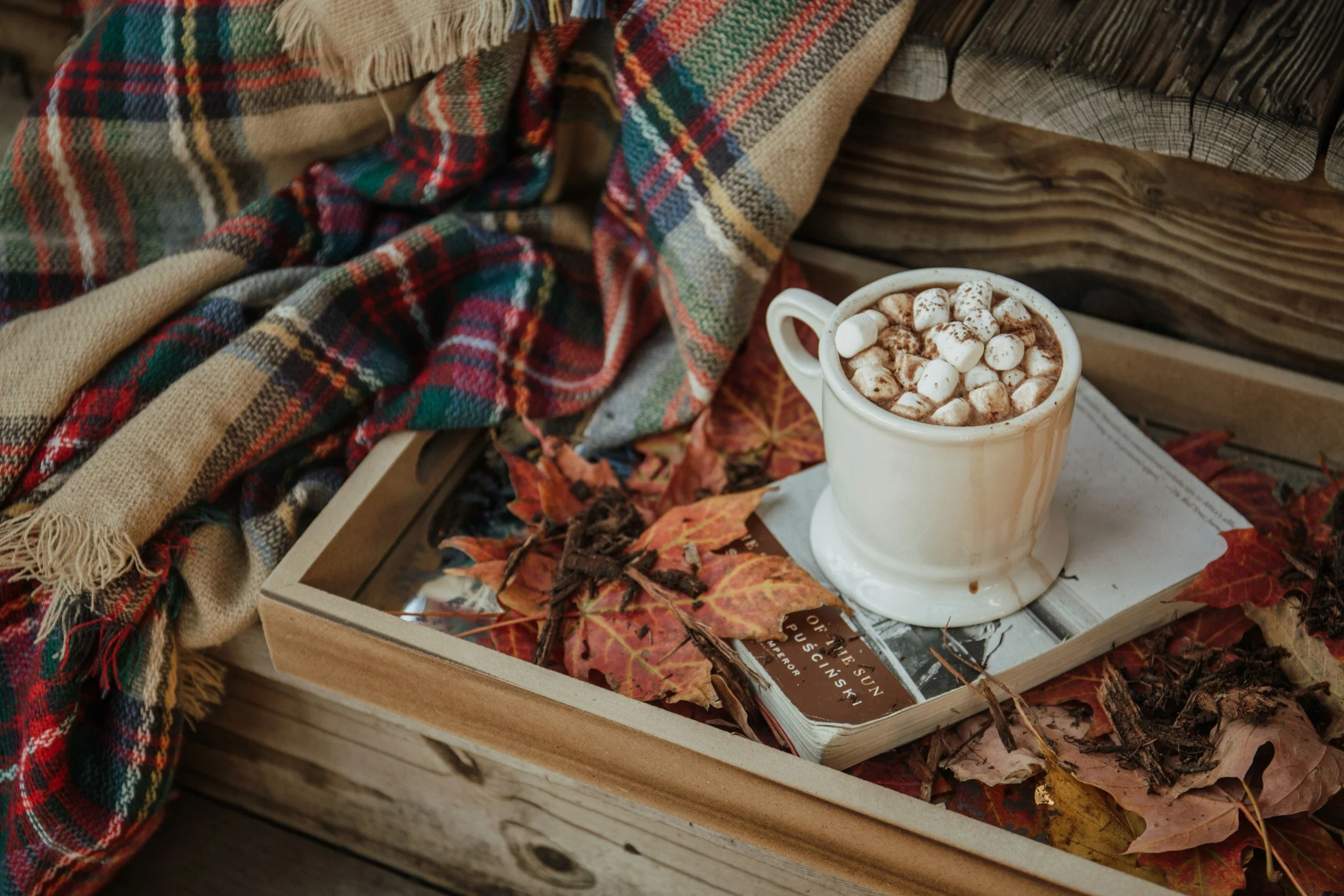
Fall Reading List: Cozy Small-Town Romance for Sweater Weather
Something happens to my brain in September. The mornings get cold. I dig out my coziest socks. And suddenly I cannot read the book I was perfectly happy with in July.
I don't think I'm alone in this. Fall makes people want a different kind of story. Slower. Warmer. Set somewhere small enough that the whole town knows your business.
So here's my fall reading list. Some picks are brand new this season. Some have been on my shelf for years. And yes, my own books are on here. (It's my blog. I did warn you.)
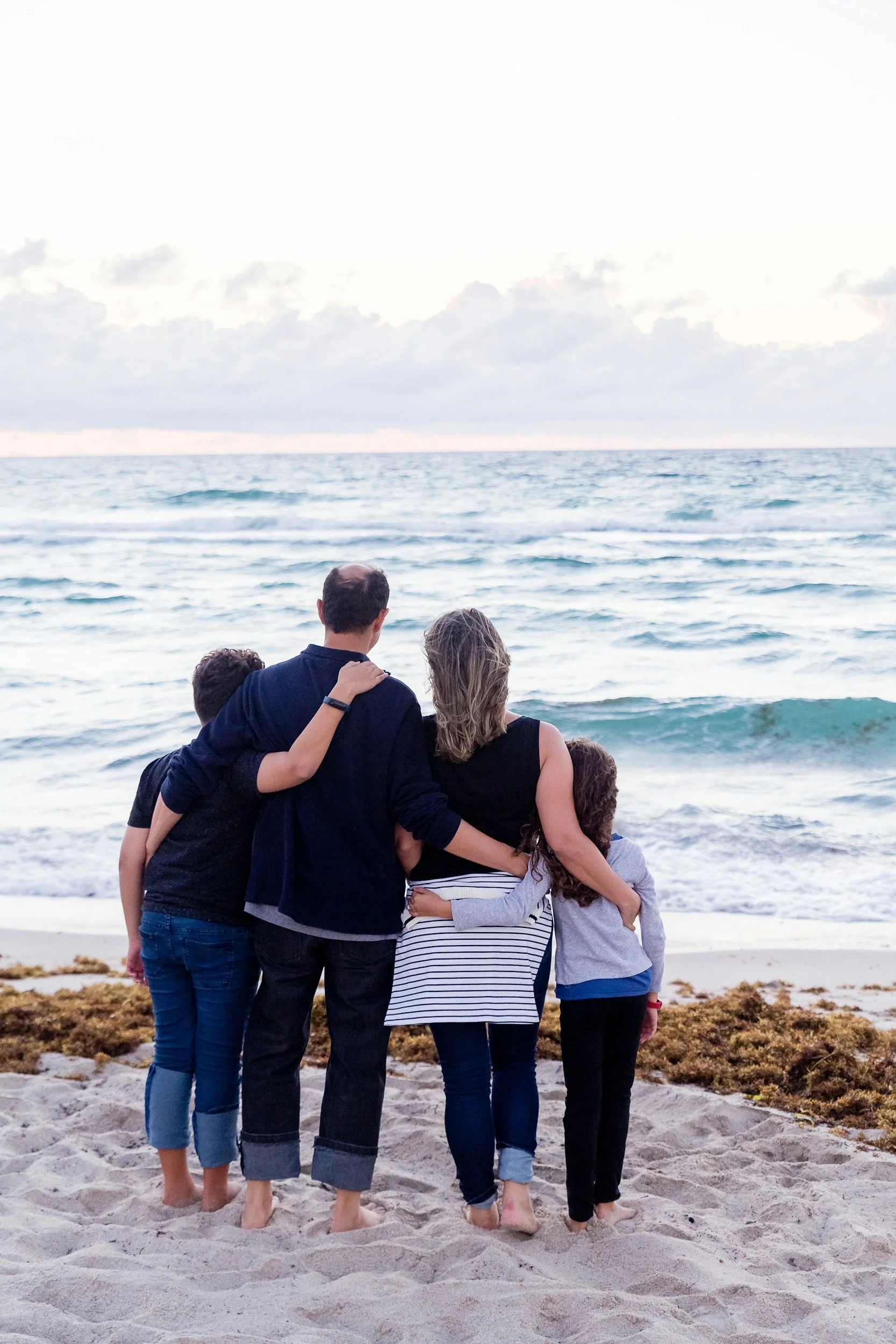
Family Saga Romance: Why Readers Can't Get Enough of Multi-Generational Love Stories
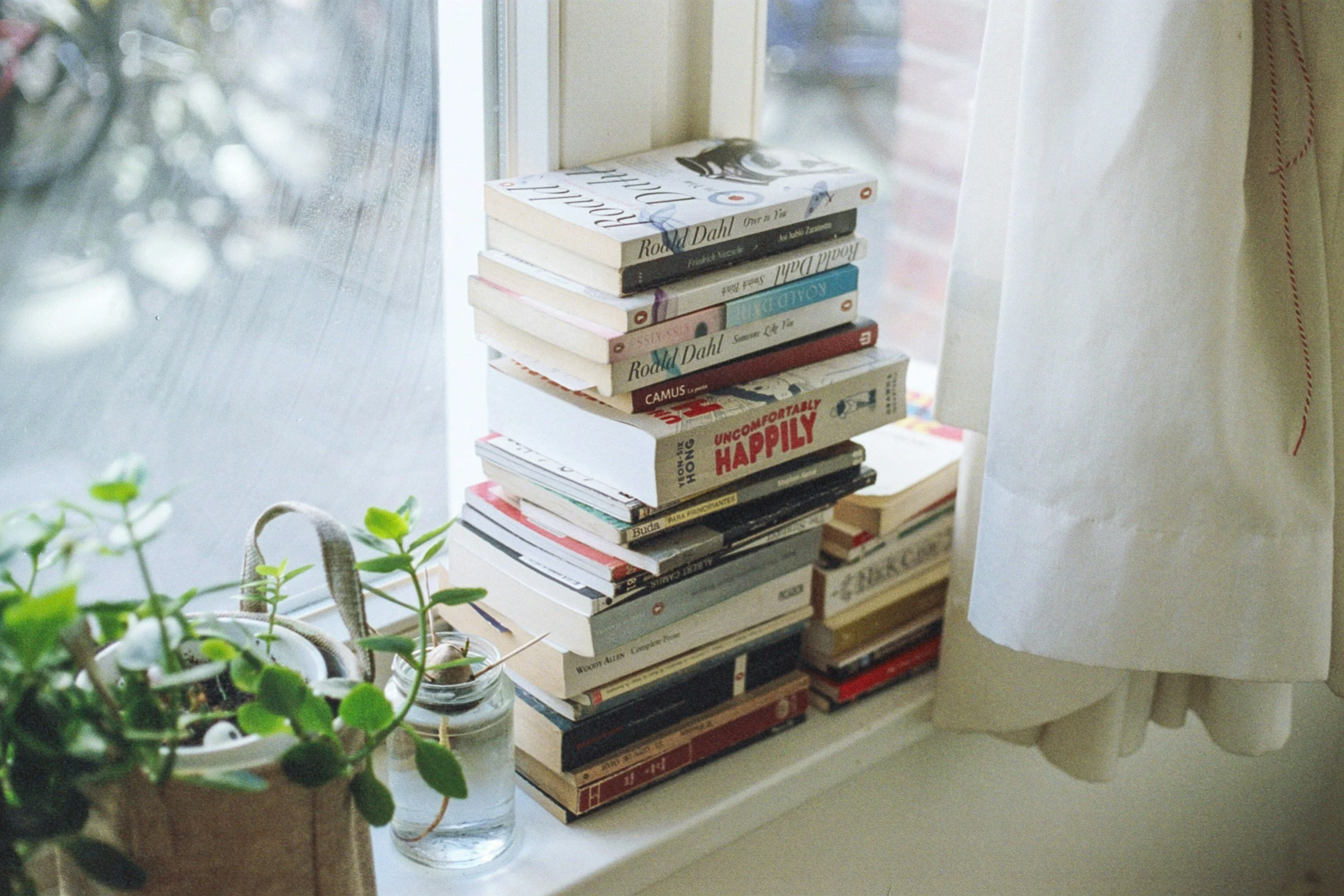
Books Like Mariana Zapata: Slow-Burn Romance Recs
If you've read a Mariana Zapata book, you already know the drill. Nothing happens for two hundred pages. You cannot put it down anyway.
Zapata writes romance the way a good slow cooker works. Low heat, a long wait, and somehow the end result is better than anything you could've rushed. Her heroes are grumpy in a specific, believable way. Her heroines are patient without being doormats. And the "will they, won't they" stretches on so long that when the payoff finally lands, it lands.
If you're a real Zapata fan, is that you've probably already read her whole backlist. Twice. So here's where to go once you've exhausted her, including a couple of stops much closer to home.
Chronic Illness in Romance Novels: Why Representation Matters
Romance runs on happily ever afters. So where does chronic illness fit into a genre built around a guaranteed happy ending?
Turns out, it fits better than you'd think, and readers have been asking for more of it for years.
Enemies to Lovers vs. Slow Burn: What's the Difference (And Which One Do You Actually Want)?
Two of the most searched terms in romance, and readers use them almost interchangeably. They shouldn't.
If you've ever picked up a book tagged "enemies to lovers" expecting a slow burn and gotten whiplash instead, or grabbed a "slow burn" and wondered where the fighting went, you're not alone. These two get lumped together constantly, but they're built on different engines. Knowing the difference will save you from a lot of mismatched TBR picks.
Books Like Emily Henry: Slow Burn Romance Recommendations
If you've read every Emily Henry book twice and you're now wandering the romance shelves like a woman with no purpose, hi, same. I get this question a lot: "What do I read when I've finished her backlist and I still want that slow, ache-in-your-chest kind of love story?"
So here's my answer. Some of these are the usual suspects. A couple are my own books, because if you love a patient burn and a small town that feels like a character, I wrote three of them and I'd be doing you a disservice not to mention it.
What Are Interconnected Standalone Romance Novels? (And Why We Love Them)
You finish a romance series, go looking for the next book, and find yourself staring at three different "reading order" charts that all disagree with each other. Publication order. Chronological order. Some fan-made spreadsheet that swears by a third option entirely.
If you've ever felt confused about whether you're reading a series "right," you're not alone, and you're probably dealing with a format that's more common than most readers realize: the interconnected standalone series.
Small Town Maine Romance Books You Need to Read
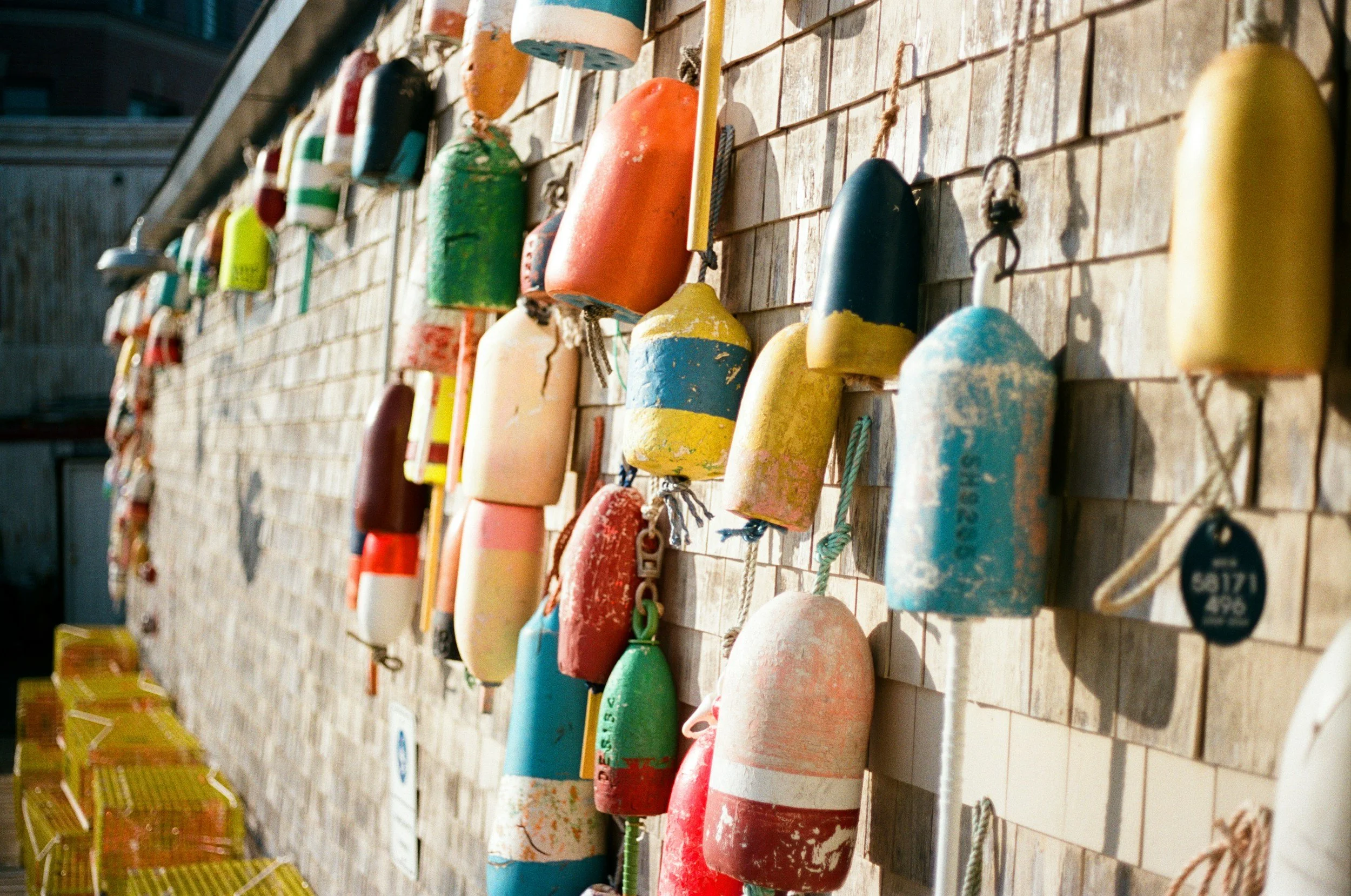
There's something about a small Maine town that makes a love story hit different. Maybe it's the fog rolling off the harbor. Maybe it's the way everyone knows everyone, so a slow burn feels like it's happening in front of the whole town. Whatever it is, these books get it right. Here are five small-town Maine romances worth your time, including my own Waverly Cove series.

Real Women, Real Stories: Fully Realized Female Characters in Fiction
I get tired of heroines who exist mostly to be chosen. You know the type. She's charming, she's a little quirky, and her entire arc is waiting around until the right man notices her. That's not the kind of book I want to read, and it's not the kind I want to write either.
So here's a different list. These are books where the women have careers they've actually built, grief they're actually carrying, and families that shaped them long before any love interest showed up. The romance, when it's there, is one part of a full life, not the whole point of it.
What Is Slow Burn Romance? A Reader's Guide
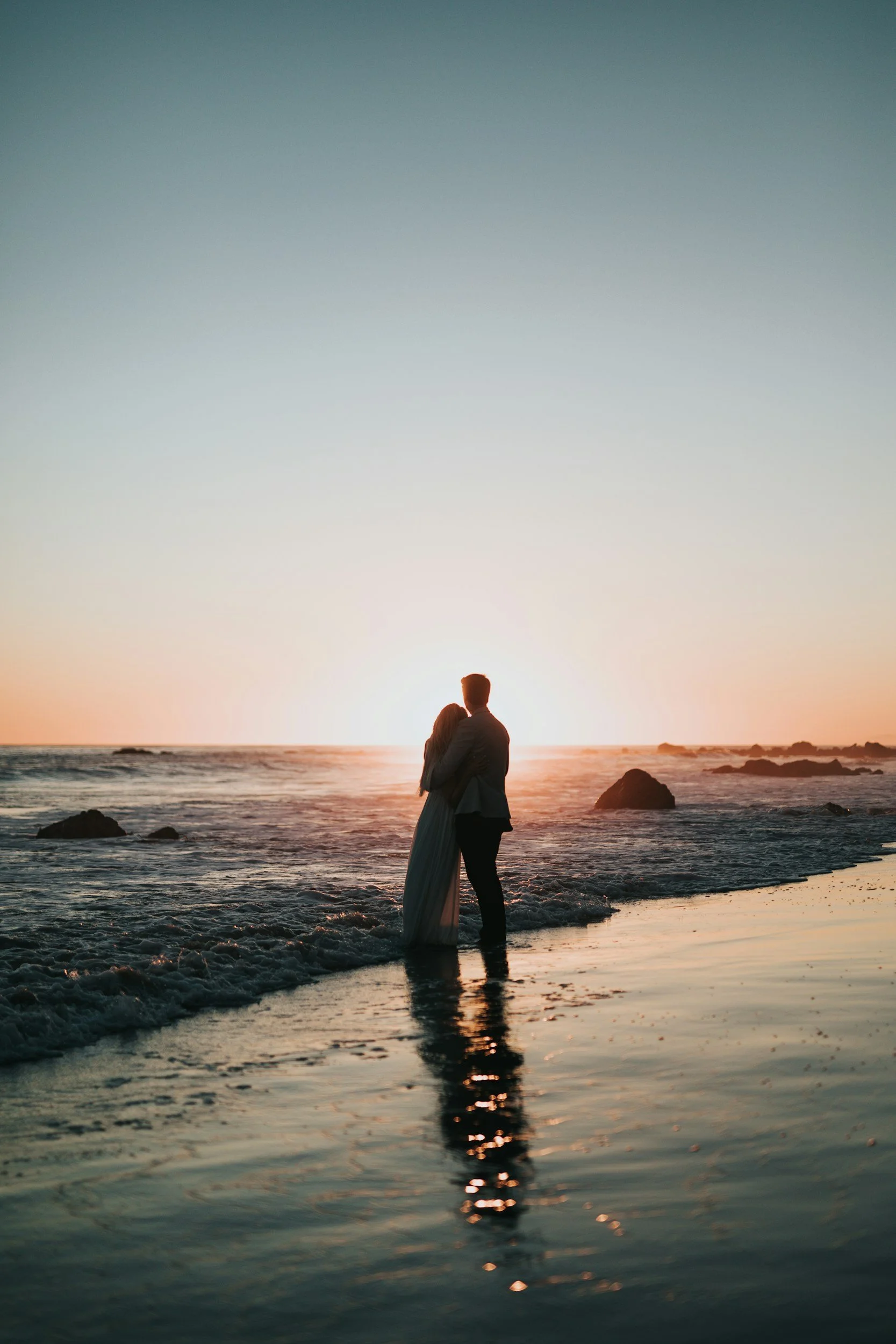
You've seen the term everywhere. BookTok won't shut up about it. Your Goodreads friends tag half their shelves with it. Someone in a Facebook group asked for recommendations and forty people replied with the same three words: "slow burn romance."
But what does it actually mean? And why does it seem to inspire more devotion than almost any other trope in the genre?

Welcome to Waverly Cove
Hi. I'm Angelica Eling, and if you're reading this, you've somehow found the blog before I've written more than one post on it. Bold move. I respect it.
I write stories about the Westfield family, a big, messy, loving clan in a fictional coastal Maine town called Waverly Cove. If you like your romance slow, your small towns nosy in a good way, and your happy endings earned instead of handed over, you're in the right place.